ARTICLE
Articles on Prosopagnosia
From symptoms and diagnosis to coping strategies you can use every day — a library you can read topic by topic.
Choose a Topic
Each article draws on lived experience as well as published research and information from public institutions. Author names are cited as sources, and we’re clear on every page that these articles have not received formal medical review.
Basics
What prosopagnosia is, its causes, and how common it is — the big picture.
What Is Prosopagnosia?
What is prosopagnosia (face blindness)? A gentle explanation of what the word means, its history, and the difference between acquired and developmental prosopagnosia.
Read more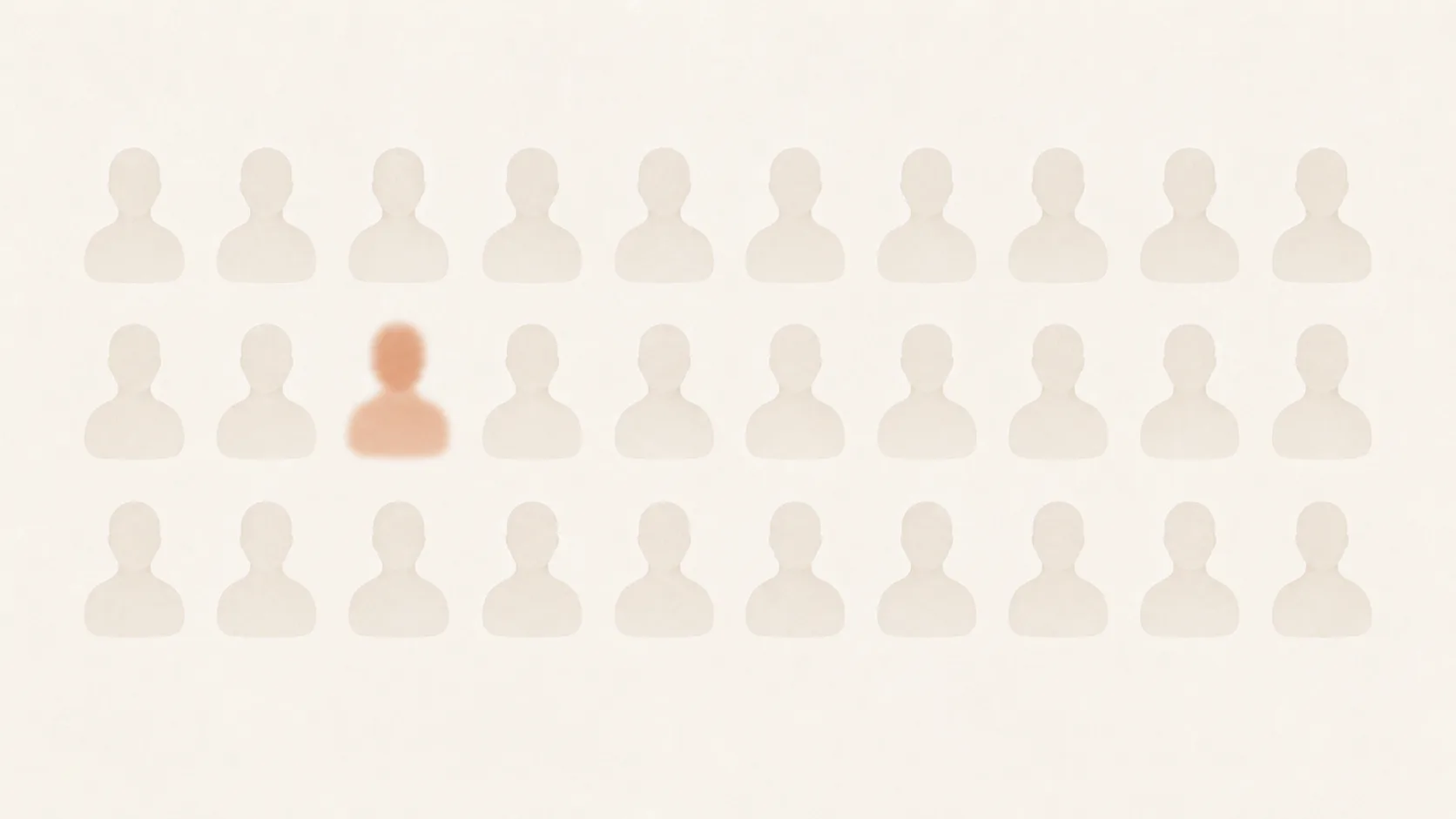
How Common Is Developmental Prosopagnosia? What the 3% Estimate Means
Using DeGutis et al. (2023), we explain how developmental prosopagnosia estimates depend on the sample and assessment criteria, and the conditions behind the roughly 3% figure.
Read more
Born With It, or Sudden Onset? The Two Types of Prosopagnosia
Prosopagnosia (face blindness) comes in two types: "acquired," which follows an event like a stroke or head injury, and "developmental," present since early childhood. This article explains what causes each and how people tend to notice them.
Read more
From People Who Can't Recognize Family to People Who Just Blank for a Moment
How difficult prosopagnosia (face blindness) is varies widely — from severe cases where even family members' faces are hard to place, to mild cases where recognition only slips after time has passed since meeting someone. This article covers the spectrum of severity and the social impact that can lead to isolation and being misunderstood.
Read more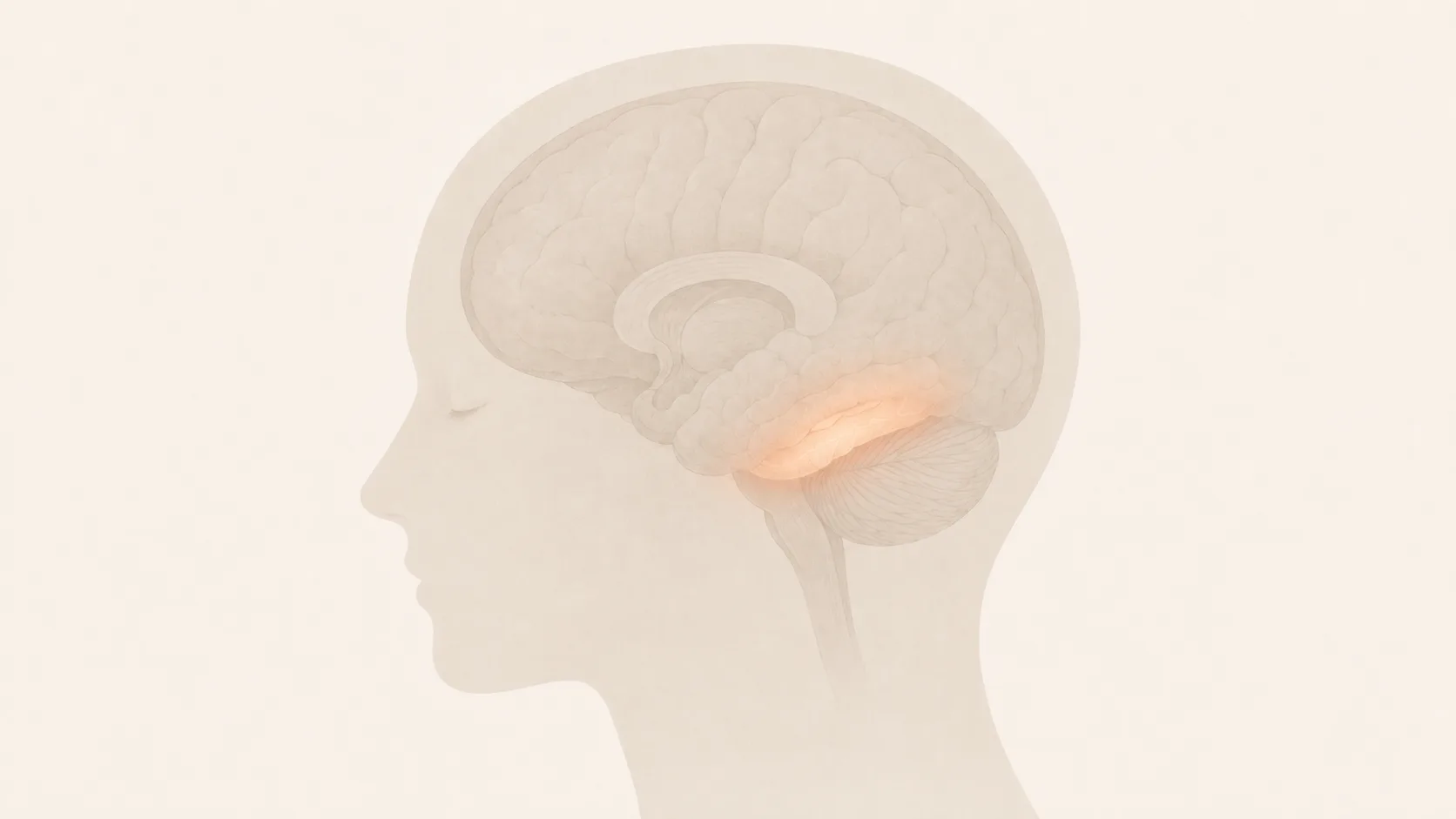
Why Is It Just Faces I Can't Remember? A Look Inside the Brain
Why do we remember faces using such a specialized method? This article gently explains the brain's face-recognition network, centered on the fusiform gyrus, and how it relates to prosopagnosia.
Read more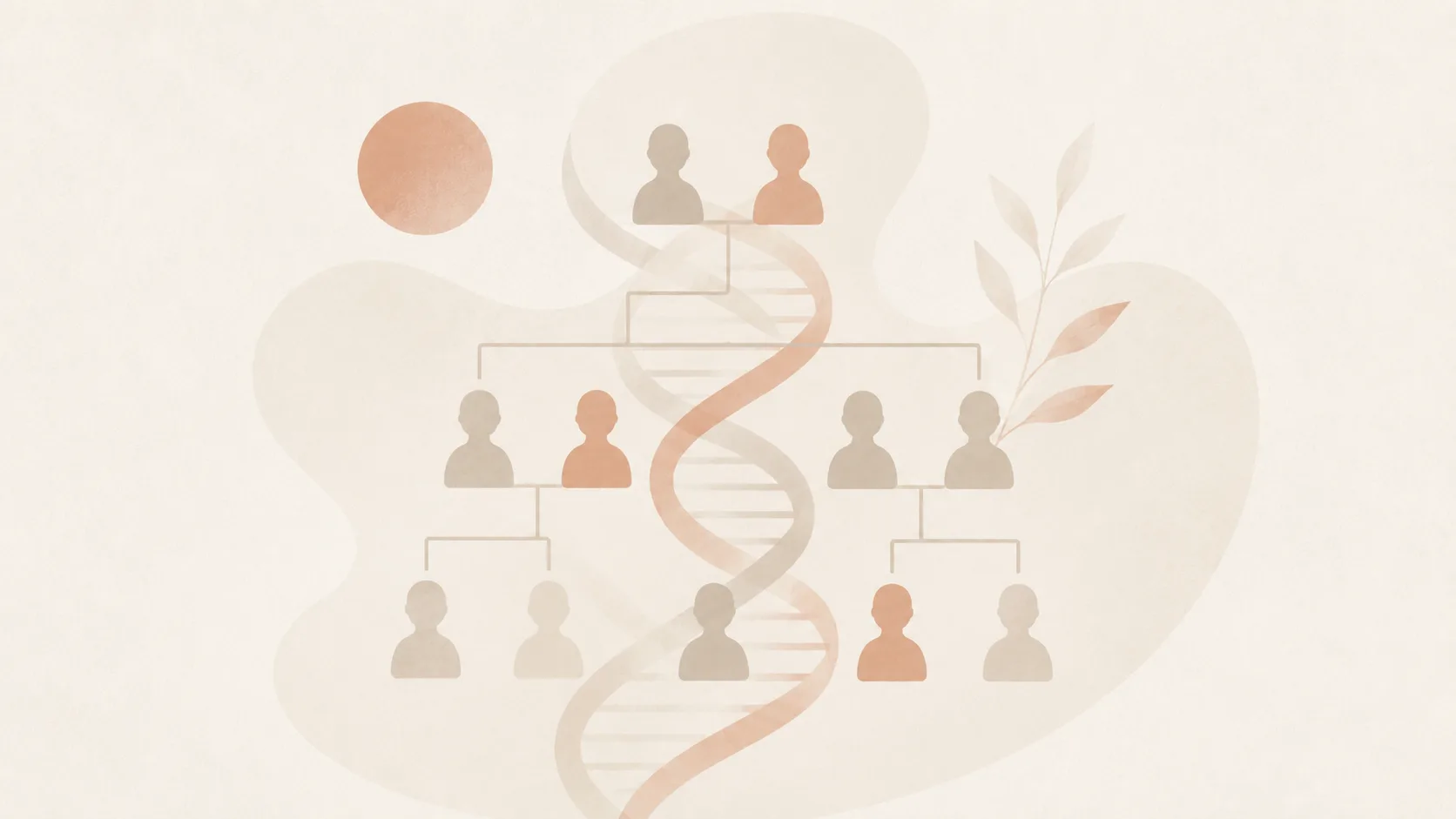
Is Prosopagnosia Hereditary? Why It Sometimes Runs in Families
Is prosopagnosia (face blindness) hereditary, and why does developmental prosopagnosia sometimes appear in multiple family members? This article draws on twin studies to explain gently — while also being clear that it doesn't "always" get inherited.
Read moreSymptoms
Specific symptoms, testing and diagnosis, and how it differs from similar conditions.

Symptoms of Prosopagnosia
A guide to the main symptoms of prosopagnosia (face blindness), including how it differs from simply forgetting names, how to tell if you might have it, and when to consider seeing a doctor.
Read more
Who Diagnoses Prosopagnosia?
A clear guide to who you can talk to about prosopagnosia (face blindness), what happens during a medical evaluation, what testing looks like, and how the PI20 self-check fits in.
Read more
How Prosopagnosia Differs From ASD and ADHD
How prosopagnosia differs from developmental conditions like ASD (autism spectrum disorder) and ADHD — they are not the same thing, though they can co-occur, and current research still has real limits.
Read more
Why Faces and Names Don't Match Up — or Won't Come to Mind
Why you might recognize a face but not the name, or fail to connect a face and name at all — broken down by the stages of face identification, retrieving personal information, and name recall.
Read more
"I Can See It's Their Face, But It Feels Like an Impostor" — The Mirror Image of Prosopagnosia
Capgras syndrome is a condition where someone can visually recognize a face but feels convinced the person is an impostor rather than who they appear to be. This article explains how it differs from prosopagnosia, where identifying the face itself is the difficulty, drawing on research into emotional response.
Read more
Can a Test Tell You Whether You Have Trouble Remembering Faces? Prosopagnosia Testing
This article gently explains what the CFMT (Cambridge Face Memory Test) and the PI20 questionnaire — along with its Japanese version, PI20-J — used in evaluating prosopagnosia are each designed to measure.
Read moreCoping
Everyday strategies and accommodations at school, work, and home.

Prosopagnosia in Children
Signs of prosopagnosia in children, the kinds of difficulties that tend to show up at home and school, and research-based ways teachers and family can help.
Read more
Coping Strategies for Prosopagnosia
Practical coping strategies for people with prosopagnosia (face blindness), along with concrete accommodations that schools, workplaces, family, and friends can offer.
Read more
Can't Tell the Characters Apart in Movies or TV Shows? You're Not the Only One
Struggling to tell characters apart in movies or TV shows and losing track of the plot as a result — this article gently explains the connection to prosopagnosia, including why costume changes and scene transitions make it worse.
Read more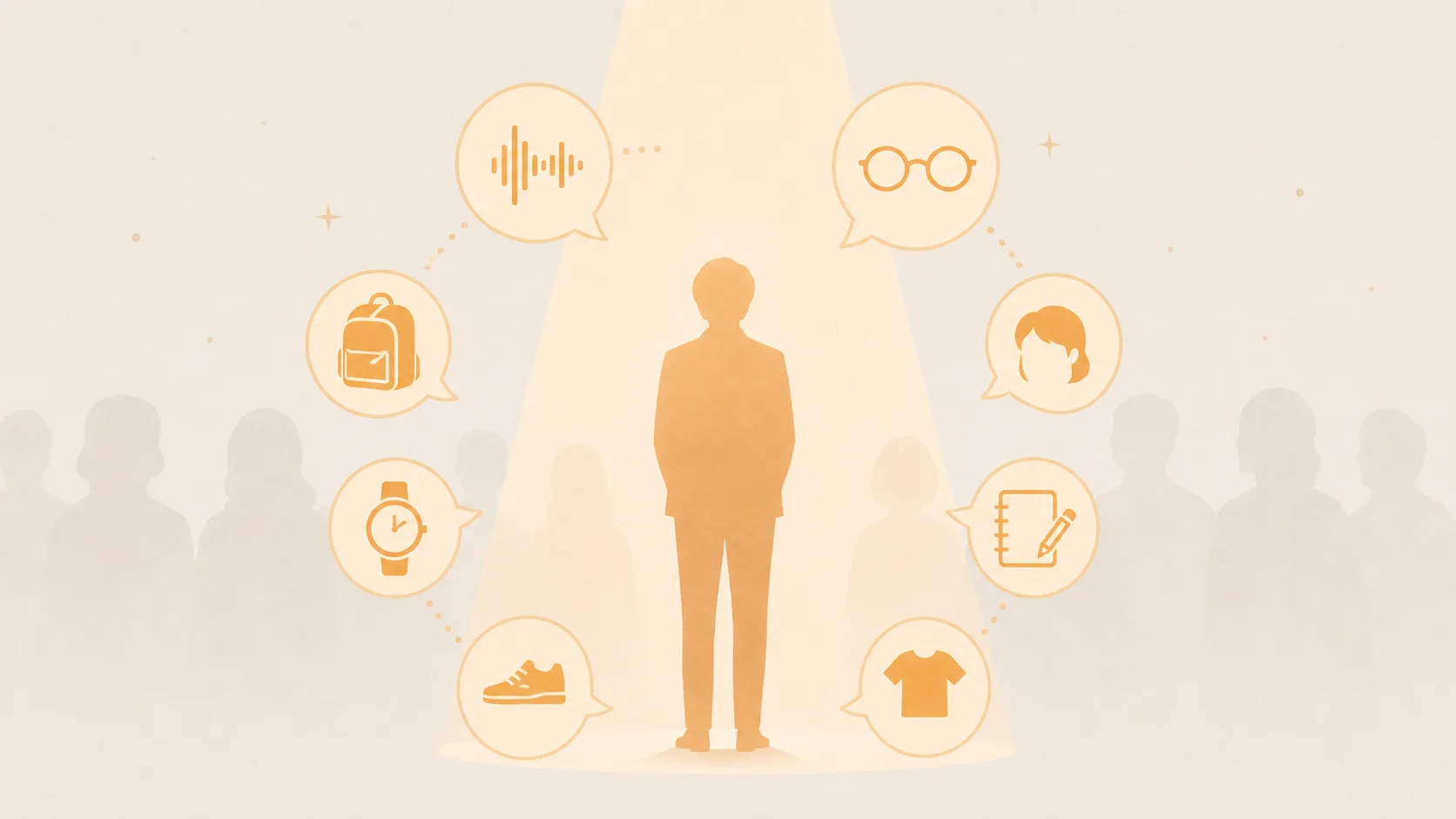
It's Okay Not to Remember Faces. Here's What Others Do
This article introduces strategies actually used by people with prosopagnosia — combining cues other than the face, and ways to ask when you don't recognize someone. These aren't a special training regimen, but practical methods built up through everyday life.
Read more
Can Prosopagnosia Be Treated? What Training Can and Can't Do
This article lays out what current research does and doesn't know about training and treatment for prosopagnosia. It gives an honest account of the difference between developmental and acquired cases, and the limits of training's effectiveness.
Read moreCulture
Public figures who’ve spoken about it and stories that bring prosopagnosia closer to home.

Brad Pitt Has Spoken Publicly About It Too — Not Remembering Faces Isn't About Being Cold
Actor Brad Pitt has described, in interviews, a long-standing difficulty recognizing people's faces and names. This article explains the social side of prosopagnosia, including how it's easily mistaken for being "cold" or "arrogant."
Read more
How The Apothecary Diaries Portrayed Prosopagnosia Through the Character Lakan
Looking at how the character Lakan, from the popular series The Apothecary Diaries, is portrayed as identifying people through cues other than the face, this article considers the real compensatory strategies used by people with prosopagnosia.
Read more
The Man Who Mistook His Wife for a Hat — The Story of a Musician
Commentary on the case of the musician known as "Dr. P," presented by neurologist Oliver Sacks in his 1985 book The Man Who Mistook His Wife for a Hat. This article considers the connection between an inability to perceive faces and objects as individual wholes, and our understanding of prosopagnosia and visual agnosia.
Read more